
Human Rights Day: Why It Matters to the Next Generation of Global Leaders
Every year on 10 December, the world marks Human Rights Day, commemorating the adoption of the Universal Declaration of Human Rights (UDHR) in 1948. More than a historical milestone, it is a reminder of the universal values—dignity, fairness, equality, and respect—that shape modern societies.
For today’s teenagers, Human Rights Day is not just an annual observance. It is an opportunity to understand the world they are growing into and to consider the positive impact they can make within it.
Why Human Rights Still Matter
Although the UDHR was written over 75 years ago, its themes—social justice, education, equality, and freedom—remain deeply relevant. Global issues such as access to schooling, the digital divide, climate justice, and children’s rights are at the heart of discussions about the future.
For teenagers, understanding human rights helps them recognise:
✔︎ The values shared across cultures
✔︎ How inequalities arise and can be challenged
✔︎ The importance of empathy, fairness, and civic responsibility
These concepts are particularly meaningful for young people beginning to explore academic areas such as politics, philosophy, law, global leadership, and international development.
The Power of Youth Voices
Across the world, young people are contributing to major conversations—from wellbeing and education, to climate policy and global equity. Teenagers today are connected, informed, and vocal about the kind of future they want to build.
Youth engagement illustrates:
✔︎ The influence of collective action
✔︎ The value of constructive discussion across cultures
✔︎ The role of critical thinking in shaping fairer societies
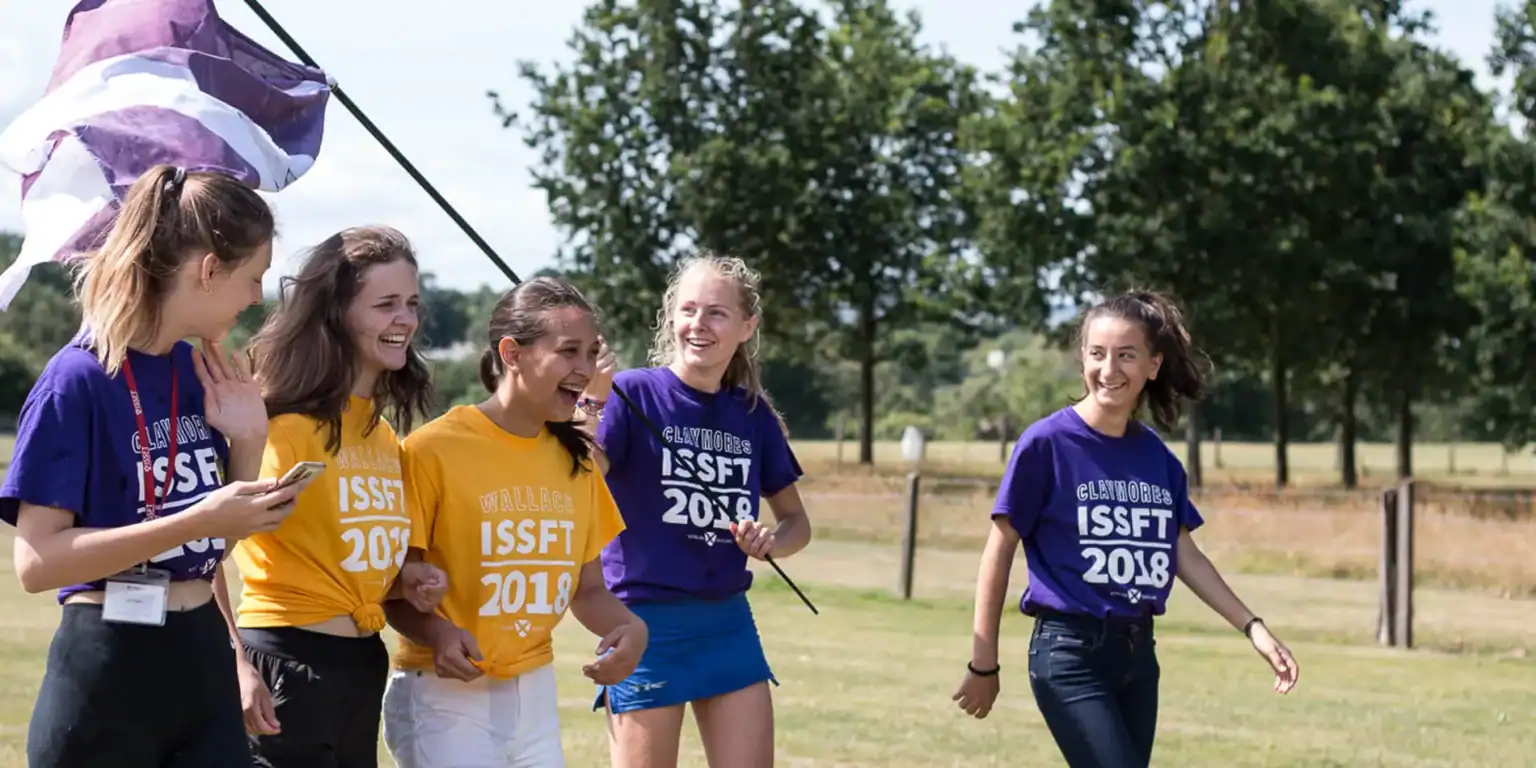
When students meet peers from dozens of nationalities—as they do each summer at ISSFT—they experience human rights principles in action: respect, equality, and meaningful dialogue.
Human Rights and Personal Growth
Human rights education encourages students to ask important questions:
What does fairness look like in a global context?
How do rights and responsibilities work together?
How do different communities experience social challenges in different ways?
Exploring these ideas supports the development of essential skills:
✔︎ Analytical thinking
✔︎ Ethical reasoning
✔︎ Intercultural understanding
✔︎ Collaboration across borders
Such skills lay a strong foundation for future university study and careers in areas such as social sciences, business, law, policy, and innovation.
A Global Community That Reflects Human Rights in Practice
ISSFT’s summer community—often welcoming students from over 90 countries—naturally promotes values like inclusion, respect, and curiosity. Students share traditions, exchange ideas, and build friendships that cross continents.
This environment allows teenagers to:
✔︎ Learn from peers with different perspectives
✔︎ Appreciate cultural differences
✔︎ Strengthen confidence and global awareness
It is the lived experience of human rights: celebrating diversity while recognising shared humanity.
Looking Ahead: Human Rights in a Changing World
The next generation will navigate rapid technological change, new global challenges, and shifting societal expectations. Understanding human rights provides a guiding framework—one that emphasises dignity, fairness, and the responsibility to uplift others.
By cultivating informed, thoughtful, and empathetic young people, we help shape a future where human rights are not just principles, but lived realities.


Start your journey now
Invest in your child’s future this summer